
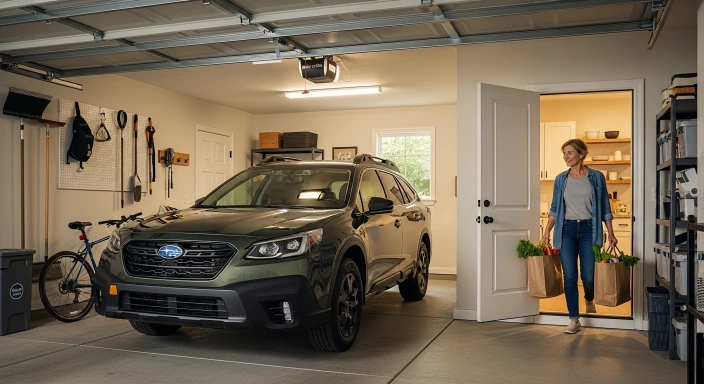
Choosing the right size for a one-car garage is more important than many homeowners realize. If your garage is too small, parking becomes stressful, doors scrape walls, and storage feels impossible. In this simple guide, we explain the best one-car garage dimensions, minimum sizes, ideal sizes, and how to choose the right one for your home.
Standard One-Car Garage Size
Typical Size: 12 ft × 20 ft (240 sq ft)
The most common standard one-car garage size is 12 feet wide by 20 feet deep. This fits most sedans or small SUVs and gives just enough space to open doors and walk around the vehicle.
Standard Garage Door Size
Most one-car garages use a 9 ft wide × 7 ft tall garage door. Older homes may have 8-foot-wide doors.
What a 12×20 Garage Can Fit
-
Fits compact and mid-size cars comfortably
-
Tight for larger SUVs or trucks
-
Limited storage (only shelves or hooks)
Common One-Car Garage Dimensions
Width Range: 12–16 ft
Depth Range: 20–24 ft
These sizes vary based on the type of vehicle and how much storage you need.
Why Garage Sizes Vary
-
Different vehicle sizes
-
Need for side clearance
-
Space to fully open doors
-
Extra room for storage or tools
Recommended Garage Sizes by Vehicle Type
-
Compact car (Honda Civic) → 12×20 ft
-
Mid-size sedan (Honda Accord) → 12×22 or 14×22 ft
-
Small SUV (Honda CR-V) → 14×22 ft
-
Full-size SUV (Ford Explorer) → 14–16 ft × 22–24 ft
-
Pickup truck (Ford F-150) → Minimum 14×24 ft, ideally 16×24 ft
Minimum One-Car Garage Size
Smallest Size: 10 ft × 18 ft
A 10×18 garage should only be used if space or budget is extremely tight.
Problems With a 10×18 Garage
-
Very little side clearance (12–18 inches)
-
Almost no storage
-
Hard to get in/out of the vehicle
-
Lower resale value
Even though a small garage costs less, most homeowners regret choosing the minimum size.
Best & Recommended One-Car Garage Sizes
Ideal Size: 14 ft × 22–24 ft
For most families, this is the best one-car garage size, especially if you have an SUV or need extra storage.
For Trucks or Large SUVs: 16×24 ft
This size gives plenty of space for parking, storage, tools, or even a small workbench.
Benefits of a Larger Garage
-
Easier parking
-
More room to open doors
-
Space for bikes, tools, and bins
-
More comfortable for daily use
-
Better home resale value
Factors to Consider When Choosing Garage Size
1. Vehicle Type and Size
Measure your car and add 2–3 ft on all sides for clearance. If you might buy a bigger car later, plan ahead now.
2. Storage Needs
Think about:
-
Lawn tools
-
Seasonal decorations
-
Bikes
-
Outdoor gear
If your garage doubles as storage, go larger.
3. Workshop or Hobby Space
A basic workbench needs 4–6 ft of wall space. Standard garages often become cramped fast.
4. Future-Proofing
Consider:
-
Room for an EV charger
-
Potentially larger future vehicles
-
Growing storage needs
A little extra space now saves money later.
Oversized & 1.5-Car Garages
What Is a 1.5-Car Garage?
A 1.5-car garage is usually:
-
16–18 ft wide
-
24–26 ft deep
Perfect for one car + storage + workshop area. This is often called an “oversized one-car garage.”
When to Choose a Larger Garage
-
You drive an SUV or truck
-
You need workspace
-
You store lots of gear
-
You want room for a motorcycle or golf cart
Common Mistakes When Choosing Garage Size
1. Underestimating Vehicle Size
Your next car may be bigger. Many people switch from sedans to SUVs.
2. Ignoring Walking and Door Space
A 12-foot width looks fine on paper, but feels cramped in daily use.
3. Choosing Based on Budget Alone
The cost difference between a standard and ideal garage is small compared to long-term comfort.
Quick Size Recommendations
For Compact Cars
12×20 ft — Basic parking, minimal storage.
For Sedans
12–14 ft × 20–22 ft — Good balance of space.
For SUVs
14–16 ft × 22–24 ft — Comfortable and practical.
For Trucks / Storage / Workspace
16–18 ft × 24–26 ft — Best for large vehicles and extra storage.
Final Thoughts
Choosing the right one-car garage size is one of the most important decisions for your home. While a standard 12×20 ft garage works for basic parking, most homeowners prefer larger sizes like 14×22 ft or 16×24 ft for easier parking, better storage, and long-term comfort. A slightly bigger garage also increases home value and gives you more flexibility for future vehicles or storage needs.
If you’re planning to build, remodel, or upgrade your garage, working with trusted professionals can help you choose the perfect size and design. For expert help, check out professional garage and home improvement services.